What is Land Clearing and how does it work?
Land clearing is the process of removing trees, shrubs, stumps, and debris from a property to prepare it for construction, landscaping, or other uses. In Birmingham, this often involves dealing with dense vegetation, rocky soil, and uneven terrain. It's not just about cutting down trees; it includes grinding stumps, hauling away debris, and sometimes grading the land.
In Birmingham, land clearing often starts with a survey to identify what needs to be removed and what can stay. You might have a mix of hardwoods like oaks and pines, along with thick underbrush. The crew will mark trees to save, especially if they're healthy or provide shade. Then they'll bring in equipment like bulldozers, excavators, and stump grinders to clear the rest.
The terrain here adds complexity. If your lot slopes toward Red Mountain or has rocky patches near Shades Crest, the crew might need to adjust their approach. Steeper slopes require tracked equipment to avoid erosion, and rocks might need to be broken up before removal. It's not a one-size-fits-all job.
Debris disposal is another big part. In Birmingham, you can't just burn everything due to local ordinances. Most crews will chip the smaller brush and haul it away, while larger logs might be sold or repurposed. If you're near Cahaba River, there are extra rules about runoff, so the crew will take care to prevent soil from washing into the water.
Some homeowners think land clearing is just about making space, but it's also about preparing the land for what comes next. If you're building, the crew might need to grade the site so water drains away from the foundation. If you're planting grass, they'll remove roots that could sprout later. It's all about setting up the land for its next use.
How Land Clearing works, step by step
Land clearing in Birmingham follows a clear process: assessment, permitting, tree and brush removal, stump grinding, debris hauling, and final grading. Each step depends on your property's specifics, like slope, soil type, and what you plan to do with the land afterward.
First, a good crew will walk the property with you to discuss your goals. Are you building a house near Vestavia Hills? Putting in a pasture in McCalla? The plan changes based on that. They'll note which trees to keep, like a mature dogwood in the front yard, and which need to go, like invasive privet choking the understory.
Permits come next. In Jefferson County, you might need approval if you're near a wetland or clearing more than an acre. The crew should handle this, but it's worth asking upfront. If you're in Homewood or Mountain Brook, local rules might limit when you can run heavy equipment, so timing matters.
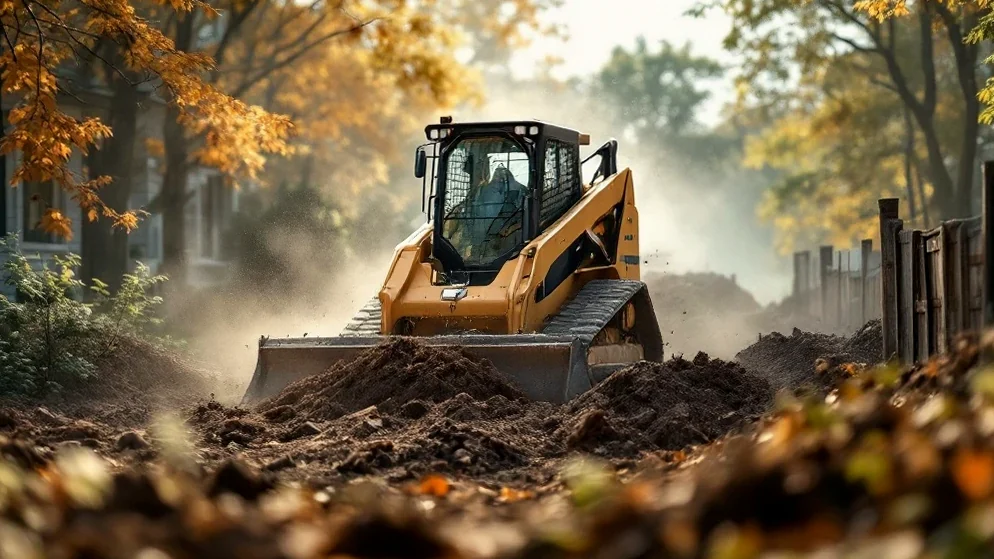
Actual clearing starts with the big stuff. Tracked skid steers or bulldozers push over smaller trees and brush, while larger oaks might be felled with chainsaws. Near neighborhoods like Crestline, crews take extra care to avoid hitting fences or power lines. Stumps get ground down at least 12 inches below grade so they won't interfere with future digging.
Hauling debris is where many homeowners underestimate the work. A half-acre lot in Trussville can generate dozens of truckloads of brush and logs. The crew should bring a dump truck or chipper to handle it efficiently. If you're reusing the land for a garden, they might leave wood chips for mulch, but most debris goes to a recycling center or landfill.
Final grading is the last step, especially if you're building. The crew will use a box blade or grader to smooth the soil, ensuring water drains away from future structures. In areas like Clay or Pinson with heavy clay soil, they might recommend adding topsoil to improve drainage before seeding or sodding.
Why Land Clearing matters for your home
Land clearing isn't just about aesthetics; it prevents foundation issues, reduces fire risk, and stops invasive plants from taking over. In Birmingham, where heavy rains and clay soils are common, proper clearing and grading protect your property long-term.
Uncleared land can cause real problems. Overgrown brush near your house in Hoover is a fire hazard, especially in dry fall months. Tree roots from unchecked sweetgums can crack your driveway or sewer lines. And if water pools near the foundation because the land wasn't graded, you're looking at basement leaks or mold.
Invasive plants are another headache. Kudzu, privet, and bamboo spread fast in Alabama. If you don't remove them completely, roots and all, they'll come back. A thorough clearing job digs these out so they don't choke your new landscaping. Near Tannehill State Park, this is a constant battle for homeowners.
Clearing also makes maintenance easier. Trying to mow around stumps and rocks in Leeds is a quick way to break a mower blade. A clean slate lets you design the yard you want, whether that's a play area for kids or a low-maintenance xeriscape. You'll spend less time fighting the land and more time enjoying it.
Resale value is a factor too. A wooded lot in Pelham might seem charming, but buyers often prefer cleared land ready for a pool or patio. If you're planning to sell in a few years, clearing now can make the property more marketable. Just keep a few shade trees; Birmingham summers are brutal without them.
Common problems and what causes them
The biggest mistakes in land clearing are skipping permits, leaving stumps too high, not grading for drainage, and underestimating debris disposal. In Birmingham, these can lead to fines, regrowth, erosion, and unexpected costs.
Permits trip up a lot of folks. In Shelby County, clearing near a stream might require a buffer zone. If the crew doesn't check, you could face fines or have to replant. Always ask if they've pulled permits for similar jobs in your area, like over in Chelsea or Helena.
Stumps are another issue. If they're only ground a few inches down, they'll sprout new growth or wreck your lawnmower. Near Gardendale's rocky soil, some crews try to cut corners by leaving stumps high. Insist on grinding deep enough to rot away naturally or allow for future digging.
Poor grading causes water problems. Birmingham's clay soil doesn't drain well, so if the land slopes toward your house, you'll get standing water. A good crew will shape the land so runoff moves toward the street or a drainage ditch. In flood-prone areas like along Valley Creek, this is critical.
Debris disposal costs surprise homeowners. Hauling away a quarter-acre of brush in Fultondale might take 10 trips, and landfill fees add up. Some crews try to burn on-site, but that's often illegal. Get a written estimate that includes all disposal costs so you're not stuck with a pile of logs in your driveway.
- Skipping permits: Fines or forced replanting
- Shallow stump grinding: Regrowth and mower damage
- Ignoring drainage: Standing water and foundation issues
- Underestimating debris: Unexpected hauling costs
Common questions about Land Clearing
Frequently Asked Questions
How long does land clearing take in Birmingham?
For a typical residential lot, expect 2-5 days. A half-acre in Irondale with moderate trees might take 3 days, while a heavily wooded acre in Bluff Park could take a week. Steep slopes or rocky areas add time, as does waiting for permit approvals.
Can I clear land myself to save money?
For small jobs like removing a few bushes, maybe. But for anything over a quarter-acre, hire a pro. Bulldozers and stump grinders are dangerous without training, and improper clearing can cause erosion or damage utilities. It's also hard to dispose of debris legally without commercial dump access.
Will clearing my land kill all the wildlife?
Not if done right. A good crew will leave some trees and brush piles for animals to relocate. If you're near Oak Mountain, consider clearing in phases so wildlife has time to move. Avoid nesting season (spring to early summer) for birds.
Do I need to survey the land before clearing?
Yes, especially if you're near property lines in neighborhoods like Crestline or Edgewood. You don't want to accidentally remove a neighbor's tree or disturb a shared fence. The crew should check for underground utilities too; hitting a gas line in Center Point is expensive and dangerous.
What happens to all the trees you remove?
It depends. Healthy hardwoods might be sold to a mill. Smaller brush gets chipped for mulch or hauled to a recycling center. Some crews will leave chips if you want them for landscaping. In Birmingham, burning is rarely allowed, so most debris goes off-site.
How do I choose a good land clearing company?
Look for local experience, someone who knows Birmingham's soil and slopes. Ask for references from jobs in your area, like Overton or Roebuck. Check they're insured for property damage and injuries. Avoid anyone who pressures you to skip permits or offers a suspiciously low bid.
Should I clear before or after building?
Always before. Trying to work around a house under construction in Alabaster is a nightmare. Clearing first lets the crew grade properly and avoids damage to new structures. Plus, you'll know exactly where to place the driveway and septic system.
Will clearing make my property flood?
Only if it's done wrong. Proper grading directs water away from structures. In flood-prone areas like along the Cahaba, the crew might recommend adding a retention ditch or swale. The key is planning for heavy rains, which Birmingham gets plenty of.
Need land clearing in Birmingham? Get a free estimate today.
📞 256-587-8568