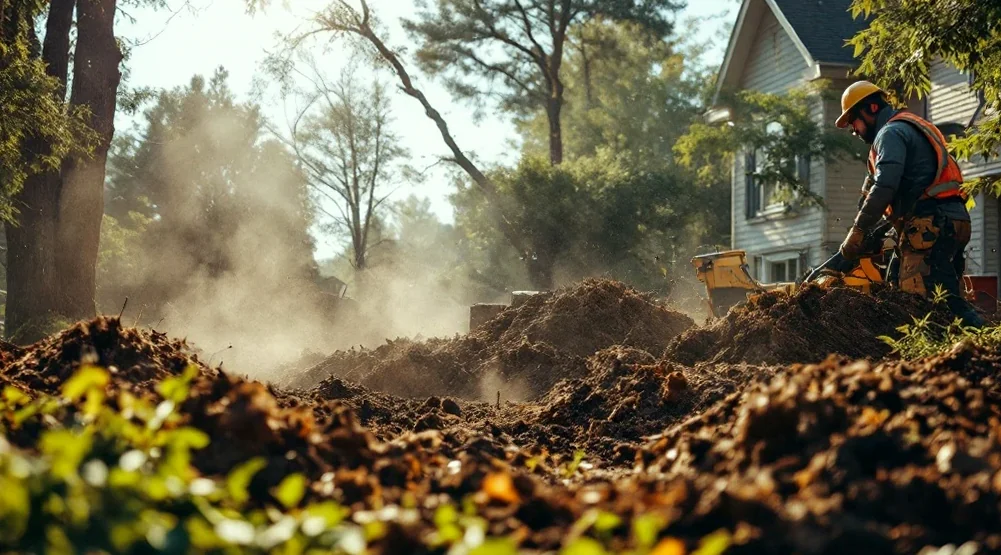
What is Land Clearing and how does it work?
Land clearing is the process of removing trees, brush, stumps, and debris from a property to prepare it for construction, landscaping, or safety reasons. In Birmingham, it often involves dealing with dense vegetation, rocky soil, and uneven terrain. A professional crew uses equipment like bulldozers, excavators, and mulchers to clear the land efficiently.
Birmingham's mix of clay soil and hardwoods means land clearing here isn't as simple as just cutting down trees. You've got to account for roots that spread wide, rocks that can damage equipment, and slopes that make access tricky. A crew that knows the area will spot these challenges before they slow things down.
The goal isn't just to strip the land bare. Good clearing balances what you remove with what you keep, like leaving mature oaks for shade or preserving topsoil so your yard doesn't wash away in the next storm. It's about making the land usable, not just empty.
Some homeowners assume clearing is a one-and-done job, but in neighborhoods like Vestavia or Mountain Brook, regrowth can happen fast if roots or seeds are left behind. A thorough job includes grinding stumps and treating the soil to prevent saplings from popping up a year later.
Permits often come into play, especially near protected wetlands or historic districts. Over in Five Points South, for example, you might need approval before removing certain trees. A local crew will know which rules apply and handle the paperwork so you don't hit a snag mid-project.
How Land Clearing works, step by step
Land clearing starts with a site assessment to identify trees, slopes, and obstacles. Next, crews remove vegetation and debris, grind stumps, and grade the land. The final step often includes erosion control measures like silt fencing, especially in Birmingham's hilly areas where runoff is a concern.
The first visit is about more than just giving a quote. A good crew walks the property to flag utility lines, check for animal dens (armadillos love burrowing in Birmingham's clay), and note which trees are healthy versus diseased. This avoids surprises like hitting a gas line or wasting time on a oak that's already dying.
Heavy equipment comes next, but not all at once. Smaller machines like skid-steers might handle tight backyards in Crestwood, while a full-size bulldozer tackles acreage in Hoover. The crew cuts and removes trees, then piles brush for chipping. Rocks get set aside for hauling or reuse as fill dirt.
Stump grinding is where DIYers often underestimate the job. A pine stump might seem small above ground, but its roots can stretch 15 feet wide. Leaving them invites termites and makes mowing dangerous. Professionals grind several inches below grade so you can plant grass or lay pavement over it smoothly.
Grading is the last physical step, but one of the most important. Birmingham's frequent downpours turn poorly graded lots into mud pits. Crews slope the land away from foundations, fill low spots, and sometimes add French drains if the soil doesn't drain well. This keeps your basement dry and your yard usable year-round.
- Site assessment: Mark utilities, note drainage issues, flag trees to save or remove.
- Clearing: Cut and remove trees, haul away brush, extract large rocks.
- Stump grinding: Grind stumps 6-12 inches below grade to prevent regrowth.
- Grading: Shape the land for proper drainage, prep for construction or landscaping.
- Cleanup: Remove all debris, final walkthrough to check for missed roots or hazards.
Why Land Clearing matters for your home
Land clearing isn't just about aesthetics, it prevents foundation damage from invasive roots, reduces wildfire risk in brush-heavy areas like Irondale, and stops erosion on sloped lots. Done right, it also increases usable yard space and avoids costly surprises during future construction projects.
Birmingham's wet springs and heavy clay soil make drainage a top concern. Overgrown lots channel water toward foundations, leading to cracked slabs or flooded crawl spaces. Clearing and grading redirects that flow, often solving moisture problems that plagued the house for years.
Fire risk isn't just a western states issue. Dry spells in late summer turn kudzu and pine straw into kindling, especially in foothill neighborhoods like Bluff Park. Creating defensible space around your home gives firefighters a better shot at saving it if wildfires spread.
Uncleared land can hide hazards. That innocent-looking thicket might conceal a crumbling retaining wall or an old septic tank. Clearing exposes these before they cause injuries or sinkholes. In older areas like Forest Park, crews often find buried debris from past construction that needs proper disposal.
Future projects go smoother on cleared land. Trying to build a shed or pool on a half-cleared lot means dealing with surprise roots, uneven compaction, or leftover stumps that delay work. Starting with a blank slate lets contractors focus on building instead of fixing the site first.
Common problems and what causes them
Homeowners often face regrowth from incomplete stump removal, erosion due to poor grading, or unexpected costs from hidden rocks and debris. Using underqualified crews or skipping permits can lead to fines, while over-clearing strips topsoil and kills healthy trees unnecessarily.
Regrowth is the most frequent complaint. A crew that just cuts trees without grinding stumps leaves behind root systems that sprout new shoots. Sweetgums and chinaberries are especially stubborn, their roots can regrow even from small fragments left in the soil. Proper grinding and herbicides prevent this.
Erosion often shows up after the first big rain. Steep lots in places like Red Mountain need terracing or retaining walls, not just basic grading. Without these, topsoil washes into streets or neighbors' yards, requiring expensive repairs. Silt fences help short-term but aren't a permanent fix.
Hidden costs pop up when crews hit unexpected obstacles. An area that looks like soft dirt might hide a shelf of limestone requiring specialized equipment to break up. Old properties sometimes have buried tires, concrete chunks, or even abandoned cars that add hauling fees to the job.
Over-clearing is a mistake you can't undo. Stripping every tree might seem efficient, but it removes shade that cools your home in summer and windbreaks that reduce heating costs in winter. A smart plan keeps strategic trees while removing hazards or space-eating undergrowth.
Common questions about Land Clearing
Frequently Asked Questions
Do I need a permit to clear land in Birmingham?
It depends on the location and scope. Projects under an acre usually don't need one, but historic districts or properties near streams often do. Always check with the city's planning department, they'll flag any protected trees or erosion control requirements.
How long does land clearing take?
A typical residential lot takes 2-3 days for basic clearing and stump grinding. Larger properties or those with dense brush might run a week. Weather delays are common in spring when rain turns clay soil into unworkable mud.
Can I save money by keeping the wood for firewood?
Sometimes, but it's rarely worth the hassle. Most cleared trees are pine or sweetgum, which burn poorly and create excess creosote. Hardwoods like oak are better for firewood, but require months of drying time. The crew can leave logs if you want, but they'll still charge for the extra time spent separating them.
Will clearing my land kill wildlife?
Professional crews check for active nests and dens before starting. Animals like deer and rabbits typically flee the noise, while burrowers (snakes, groundhogs) get gently relocated. The bigger impact is long-term habitat loss, so consider leaving some wooded areas if biodiversity is a priority.
What's the difference between clearing and grading?
Clearing removes vegetation and debris; grading shapes the soil afterward. Grading ensures water drains away from structures and creates a level base for construction. Many projects need both, but you might skip grading if you're just clearing brush and keeping the natural contours.
Can I clear land myself with a rented bulldozer?
Technically yes, but it's risky. Without experience, you could damage utilities, destabilize slopes, or injure yourself. Rental equipment lacks the protective cages pros use when working near trees. For anything beyond a small brush pile, hiring out is safer and often cheaper in the long run.
How do I stop kudzu from growing back?
Kudzu requires aggressive treatment after clearing. The roots can extend 10 feet deep, so just cutting the vines isn't enough. Pros apply systemic herbicides to the fresh-cut stems, then monitor for regrowth. Even then, it might take 2-3 treatments over a year to fully eradicate it.
Should I clear before or after building a house?
Always clear first. Trying to work around a new construction limits equipment access and risks damage to fresh foundations or driveways. Clearing upfront also lets the builder adjust the house placement if they uncover unexpected issues like bedrock or poor drainage.
What happens to all the cleared brush and trees?
Most crews chip small branches for mulch, which can sometimes be left on-site if you want it. Larger logs may go to a sawmill or biomass facility. Rocks and dirt stay unless you request removal. Ask about recycling options, some companies turn debris into playground mulch or erosion control products.
Does land clearing increase my property taxes?
Not directly. Taxes are based on land value and improvements, not vegetation. However, if clearing enables building a structure (like a garage or pool), that addition could raise your assessment. Check with the county tax assessor if you're concerned.
Need land clearing in Birmingham? Get a free estimate today.
📞 256-587-8568